Cara Sharing Google Map Real-time Location
Dengan Share Google Map Real-time Location, Anda dapat memilih siapa yang dapat menemukan lokasi Anda dan berapa lama untuk membagikan lokasi Anda
Sejak diluncurkan fitur ini, ternyata sampai sekarang tidak begitu populer digunakan, bahkan konon tidak sampai 30% user Google Map menggunakan fitur ini. Banyak alasan yang dikemukakan oleh mereka yang tidak menggunakan fitur ini, diantaranya :
- Privasi, mereka yang tidak ingin orang lain (bahkan keluarga sendiri) mengetahui posisi-nya
- Tidak memerlukannya
- Tidak tahu ada fitur ini
Saya dan keluarga saya menggunakan fitur ini sejak beberapa tahun lalu, dengan alasan :
- Dapat saling memantau semua anggota keluarga sedang ada dimana
- Tidak perlu sering-sering memberitahu via text posisi saat itu dimana, mereka cukup lihat disini
- Tenang, karena tidak perlu menyembunyikan lokasi dari anggota keluarga
- Sangat bermanfaat apabila HP hilang atau ketinggalan, posisi terakhir ada dimana.
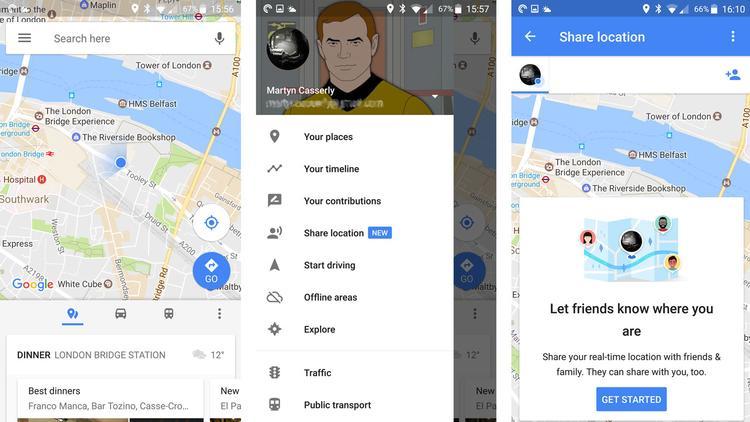
Caranya (Android) :
- Jika Anda belum melakukannya, tambahkan alamat Gmail mereka ke Google Kontak Anda.
- Di ponsel atau tablet Android Anda, buka aplikasi Google Maps Maps dan sign-in
- Klik gambar profil atau initial > Location sharing > New share > Add people.
- Pilih berapa lama Anda ingin membagikan lokasi Anda.
- Klik profil orang yang ingin Anda bagikan lokasi Anda.
- Jika ditanya tentang kontak Anda, berikan akses Google Maps.

 Tahun 2000, saat itu saya memulai karir saya sebagai developer, bekerja di sebuah perusahaan asing, dimana saya terpaksa menggotong-gotong pc saya ke tempat client, dan jika saya harus akses internet di kantor, saya harus bawa pc saya tersebut ke kantor, lalu akses internet, dan besoknya bawa pc lagi ke client. Bisa dibayangkan ? tapi hal itu adalah hal lumrah saat itu, merepotkan, tapi lazim... haha...
 Sebenarnya ada ribuan ide bisnis yang bisa dijalankan, seringkali tidak terpikirkan oleh kita. Kebanyakan orang berfikir "bisnis" hanyalah menjual barang/produk, memang tidak salah dengan itu, karena bisnis adalah "menjual".